A Father’s Day Reflection on Y-DNA, Legacy & an Unfinished Mystery
This past Mother’s Day, I found myself reflecting on endings.
On mitochondrial DNA.
On maternal lines.
On the realization that, as a mother of three boys, one ancient biological thread in my family may end with me.
But Father’s Day has me thinking about something entirely different.
Continuation.
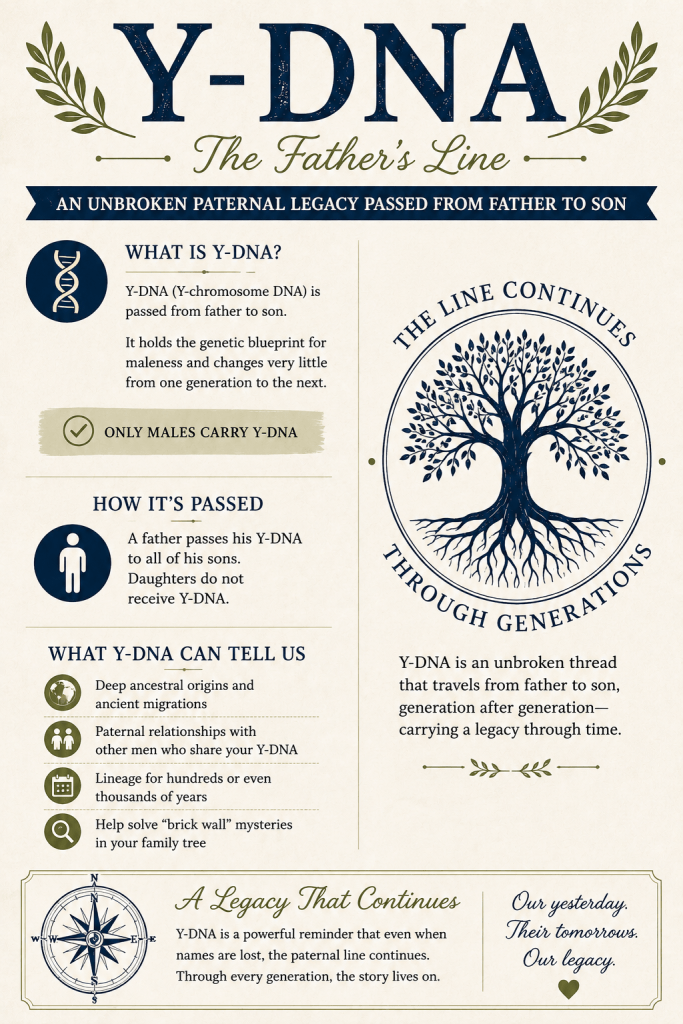
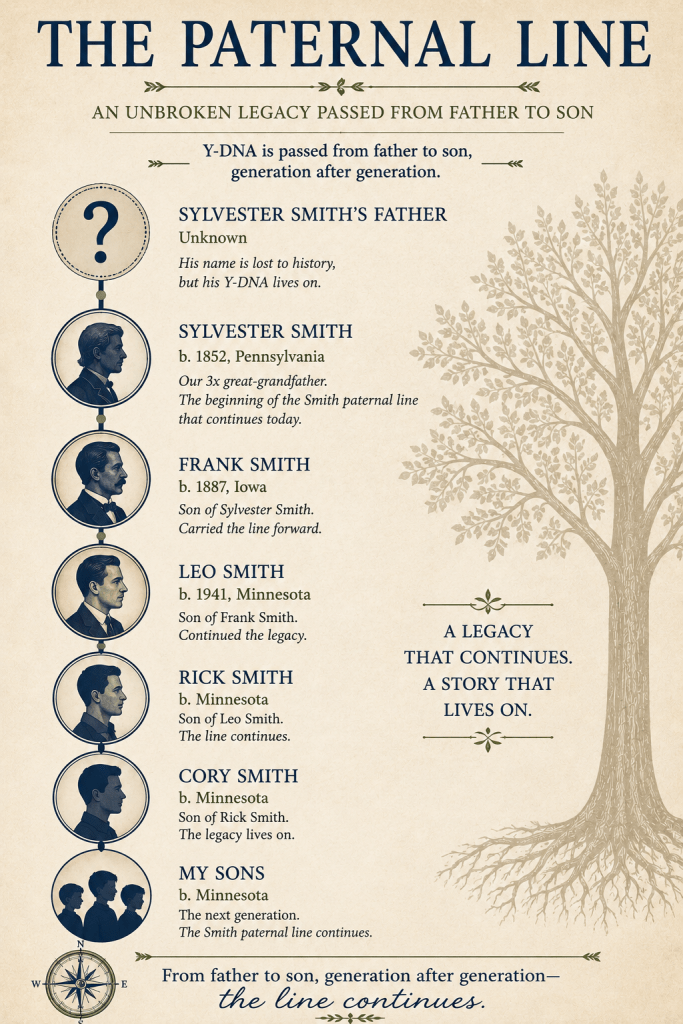
Because while mitochondrial DNA passes through mothers, Y-DNA passes from father to son.
Unbroken.
A direct paternal thread stretching through generations of men.
And every time I look at my sons, I think about the strange mystery hidden inside that line.
Because despite years of research… we still do not know exactly who their 3x great-grandfather’s biological father was.
And yet his DNA lives on.
The DNA Fathers Leave Behind
Most people are familiar with the idea that children inherit DNA from both parents.
But Y-DNA is different.
Only males carry it.
And it passes almost unchanged from father to son.
That means a man’s Y-DNA can continue for hundreds — even thousands — of years through an unbroken paternal line.
Father to son.
Father to son.
Father to son.
Unlike most DNA, which reshuffles every generation, Y-DNA acts almost like a surname written into the body itself.
It carries clues about deep ancestry, migrations, and biological relationships.
And in genealogy, it can solve mysteries paper records never could.
Or sometimes…
It simply deepens them.
The Mystery of Sylvester J. Smith
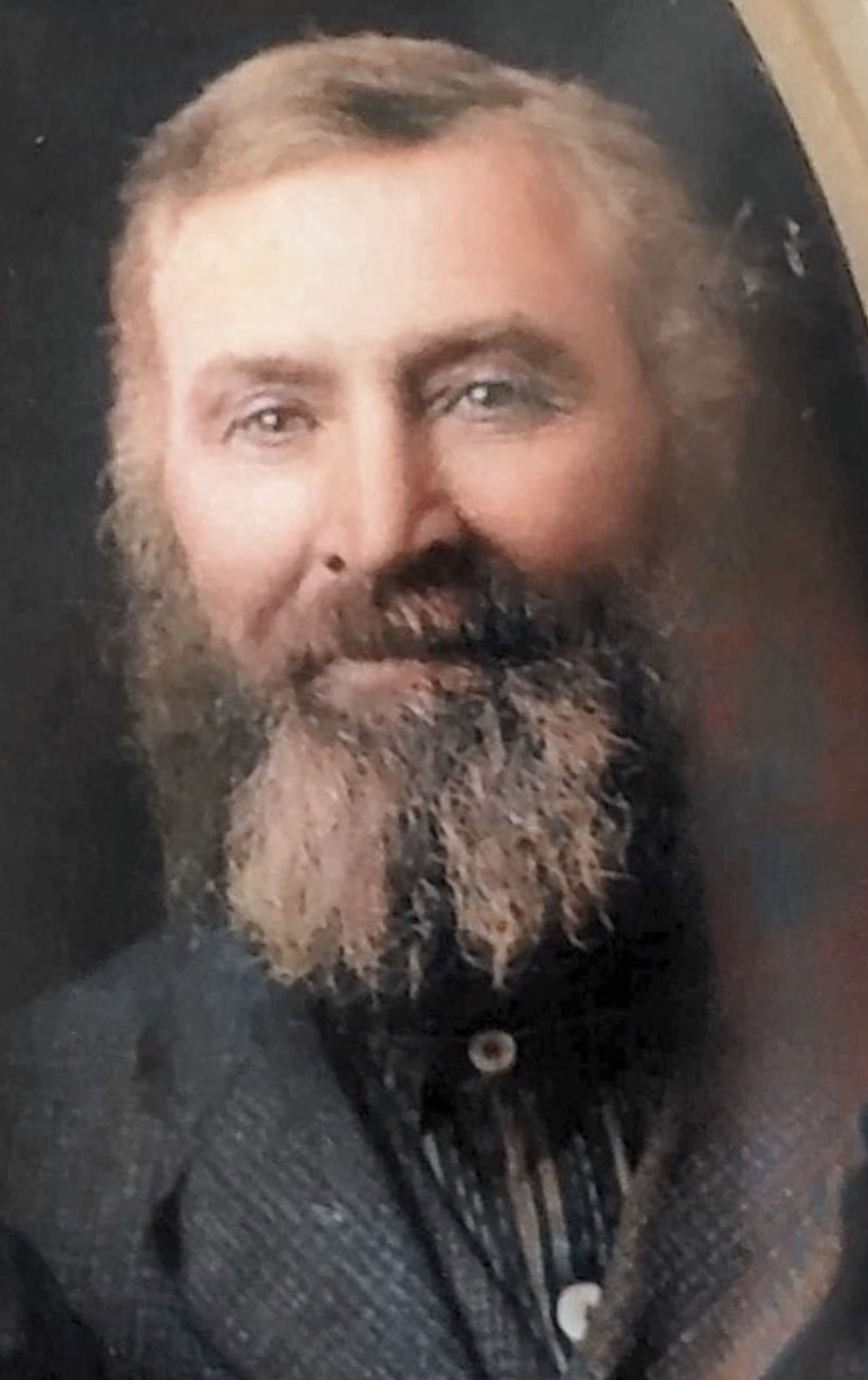
For years, I’ve been researching my husband’s ancestor, Sylvester J. Smith.
Even his beginnings feel uncertain.
Family stories claimed he was born in a covered wagon in Pennsylvania on September 29, 1856, while the family was traveling westward. Whether that story is literal truth or family folklore, I may never know — but it paints a picture of instability from the very beginning.
By the time Sylvester appears in Minnesota records, he was living with the Welch family rather than biological parents.
In the 1865 Fillmore County census, a young Sylvester is listed in the household of Oliver and Mary Jane Welch. He remains with them through later censuses as well, essentially growing up in another family’s home.
Meanwhile, his mother — Elizabeth Bark — appears to drift through the records almost like a ghost herself.
She was reportedly born in Virginia in 1823 and, according to family stories and scattered records, may have used multiple surnames throughout her life, including Bark, Featherby, Wood, and Smith. Some evidence suggests she may have remarried multiple times. Other records only deepen the confusion.
Sylvester also had brothers.
William, who later settled in Minneapolis.
And John — a brother family stories claim died while traveling west.
When I piece together the fragments, I don’t see a tidy pioneer narrative.
I see hardship.
Movement.
Loss.
A woman trying to survive.
Children being separated.
And somewhere within all of it… a missing father.
A man who left behind Y-DNA but little else.
An Unknown Man… Still Echoing Through Time
What fascinates me most is this:
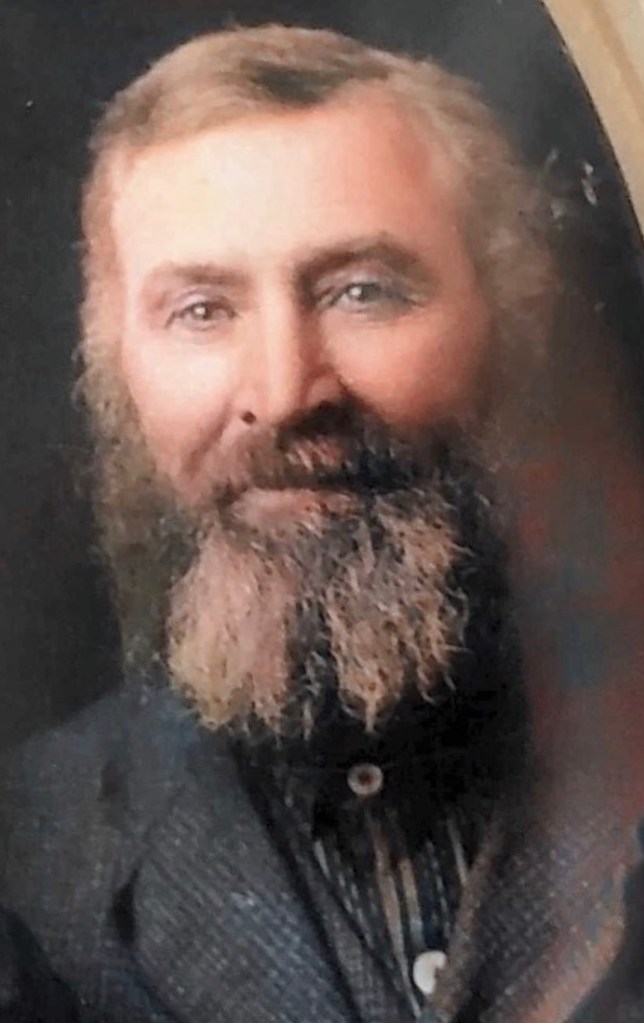
Even though we do not know his name… his Y-DNA survived.
Some unknown man, somewhere in the mid-1800s, passed his Y chromosome to Sylvester.
Sylvester passed it forward.
Then another father.
And another.
And another.
Until eventually… it reached my sons.
An unbroken biological thread stretching across generations — carried perfectly through time — while the identity of the man who started it remains hidden.
There is something haunting about that.
But also something beautiful.
Because it reminds me that history is bigger than records.
Bigger than census forms and courthouse ledgers.
DNA remembers what paper forgets.
The Strange Role of a Genealogist
One of the strangest parts of being a genealogist is realizing how often we become emotionally connected to people we never met.
I think about Sylvester often.
About what it must have felt like to grow up separated from certainty.
To carry questions he may never have had answers to himself.
Did he know who his father was?
Did his mother tell him stories?
Did he spend his life wondering?
Or did he simply move forward — building a life despite the unknown?
As researchers, we want resolution.
But genealogy teaches humility too.
Sometimes we inherit mysteries alongside DNA.
What Fathers Pass Down
Fatherhood is about so much more than genetics.
The men who shape us are not always biological.
And the biological are not always present.
But there is still something profound about knowing that an ancient paternal line continues through my boys.
Some unknown ancestor’s Y-DNA — surviving wars, migration, illness, heartbreak, and time itself — still exists today inside little boys playing with toy tractors and muddy shoes in rural Minnesota.
That amazes me.
Because legacy is both enormous and deeply ordinary.
It is carried in DNA.
But also in stories.
In values.
In how fathers love their children.
In what they choose to break… and what they choose to continue.
An Unfinished Story
This Father’s Day, I find myself thinking less about certainty and more about continuity.
About how one unknown man — whose identity has nearly vanished from history — still left something behind.
Not wealth.
Not land.
Not even a confirmed name.
But a living genetic thread.
And maybe that is what genealogy really teaches us.
That people are never truly gone.
Parts of them continue.
In records.
In memories.
In photographs.
In DNA.
And sometimes, the greatest mysteries are also the greatest reminders that every person mattered — even the ones history nearly erased.
So this Father’s Day, I honor not only the fathers we know…
But also the ones we are still searching for.
And if you have an ancestor whose story remains unfinished — whose identity still lingers just beyond reach — know that you are not alone.
Sometimes the missing pieces are what keep us searching.
And sometimes the search itself becomes part of the legacy.


