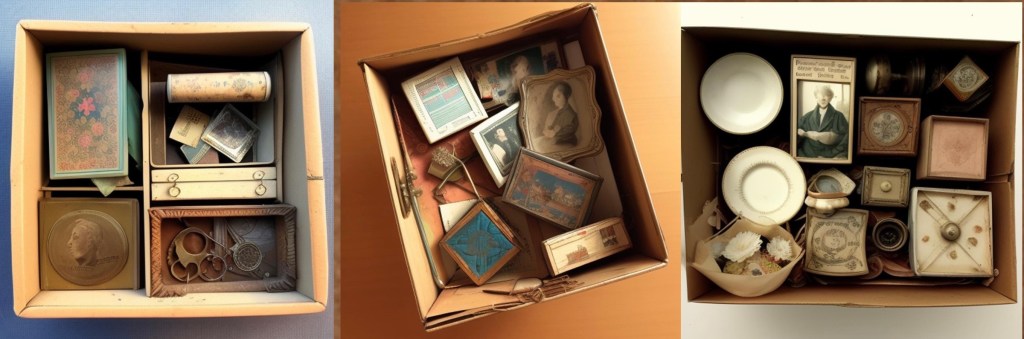
As a passionate family historian, I am no stranger to inheriting a plethora of heirlooms and knickknacks. While I proudly consider myself a heroic preservationist, my husband often teasingly labels me a hoarder. But to me, these items are not mere clutter; they are tangible connections to our ancestors, each one bearing a unique story. The only challenge lies in the fact that, more often than not, we inherit items without knowing the stories behind them. In this blog post, I share my approach to preserving family history through keepsakes by discovering and documenting their stories.
Discovering the Story
When inheriting items, the first step is to uncover their origins and stories. Sometimes, this is straightforward; for example, your grandma might hand you a box and recount that its contents once belonged to her own grandmother. But on other occasions, you might come across a box of old things during an estate cleanup, with no immediate clues about its origin. In such cases, I recommend the following:
- Seek Family Insights: Engage with family members who might have information about the item’s history. Older relatives often hold valuable knowledge that could shed light on the item’s significance.
- Look for Clues: Examine the items carefully for any names, dates, or scribbles that could offer clues to their origin and purpose.
- Do Research: Utilize online resources like Google to research the items’ manufacturing dates and places, which can provide vital context for your family history.
Documenting the Story
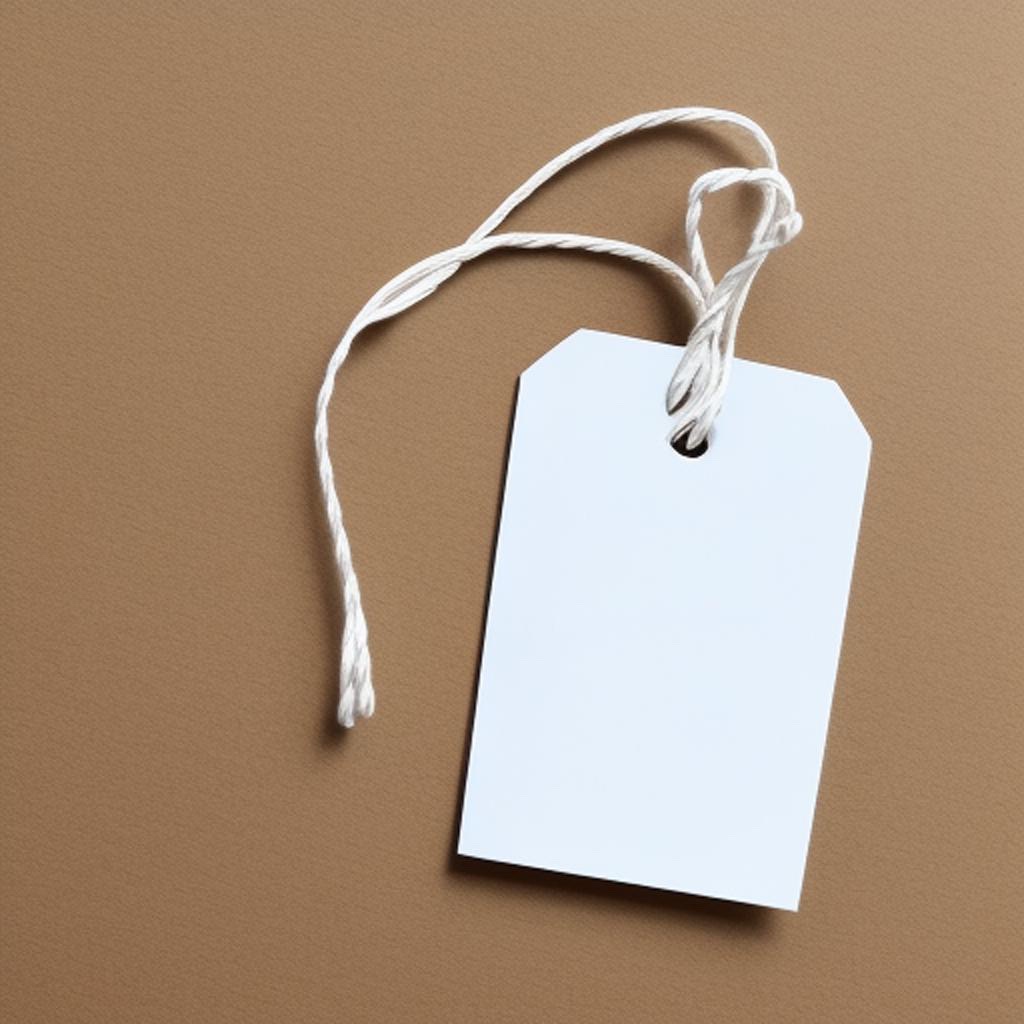
Once you unravel the story behind an item, preserving it becomes paramount. I personally prefer using paper tags fastened to the items with strings. On these tags, I meticulously record the item’s history and significance. Of course, the method of documentation depends on the item itself. Some may require a sheet of paper in a box or a simple sticker placed directly on the item.
Preserving Your Story
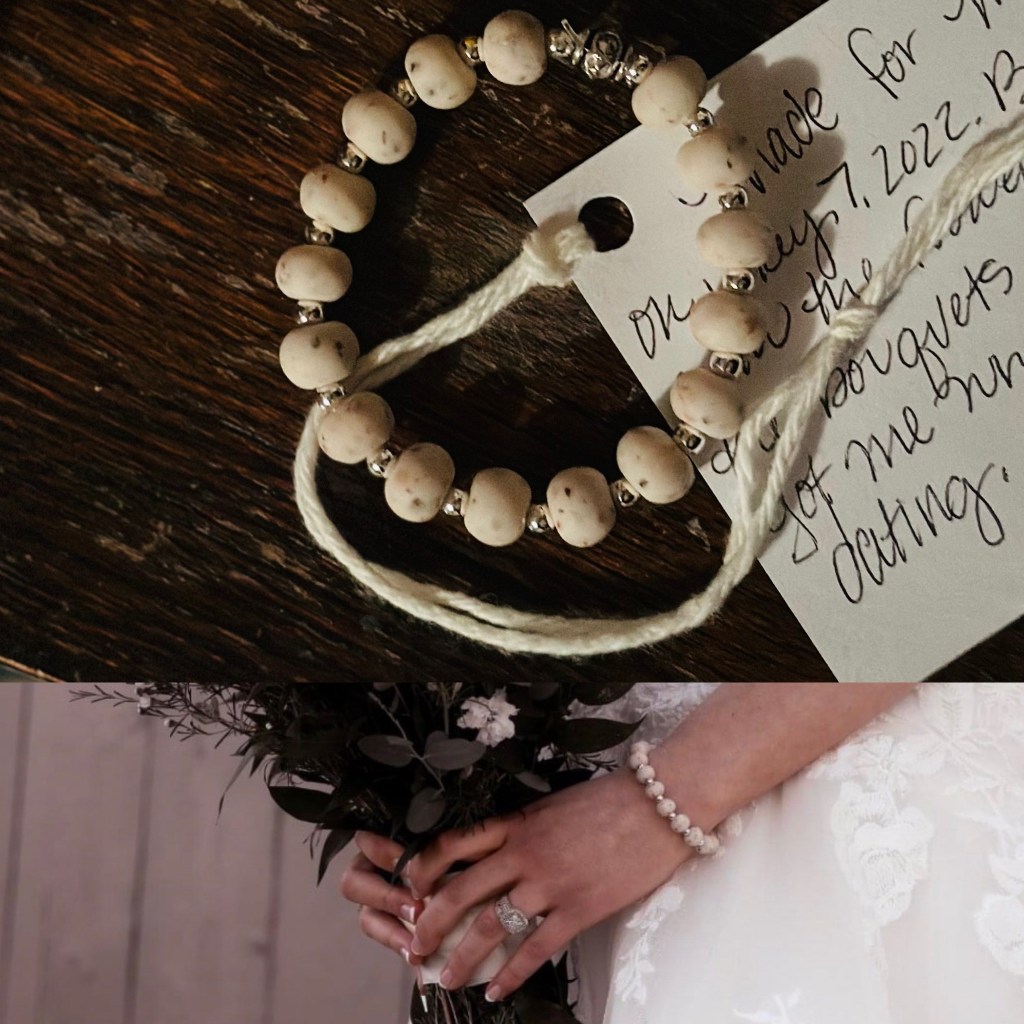
Equally important is labeling the items you wish to pass down to future generations. For my own wedding, I had a bracelet crafted, incorporating flower petals from bouquets my husband gifted me during our dating days. This cherished keepsake now rests in a box, accompanied by a card that explains its profound significance to my life’s narrative.
Conclusion
In the end, it is true that we cannot take these belongings with us when we depart this world. However, as heroic preservationists, we can play a vital role in ensuring that the stories of our ancestors live on. By discovering and documenting the narratives behind our cherished keepsakes, we create a bridge between the past and the future. Let us take pride in our roles as family historians, breathing life into the stories of those who came before us, so that their legacy remains alive for generations to come.

 Legacy Lane Genealogy